
Colorful Rubber Ducky Isopods bring charm, movement, and natural balance to bioactive habitats. Their rounded shape, bright patterns, and peaceful behavior make them a favorite addition to enclosed ecosystems. These fascinating creatures contribute to cleanliness while creating a lively display among moss, bark, and leaf litter. Their calm nature and unique appearance help transform ordinary terrariums into thriving miniature environments filled with activity and texture.
Unique Appearance Adds Visual Interest
Rubber Ducky Isopods stand out because of their attractive colors and duck-like facial markings. Their tiny bodies move gently across the habitat floor, creating constant natural motion. Many keepers appreciate how these isopods blend beautifully with greenery and decorative elements.
Popular visual qualities include:
- Rounded and compact body structure
- Bright yellow and dark contrasting colors
- Smooth movement across natural surfaces
- Attractive appearance under soft lighting
- Distinctive patterns that enhance terrarium displays
Their eye-catching look often becomes the centerpiece of a carefully arranged bioactive enclosure. Enthusiasts often admire rubber ducky isopods because they bring exciting variety and cheerful visual appeal to creative terrarium environments beautifully.
Important Role inside Bioactive Habitats
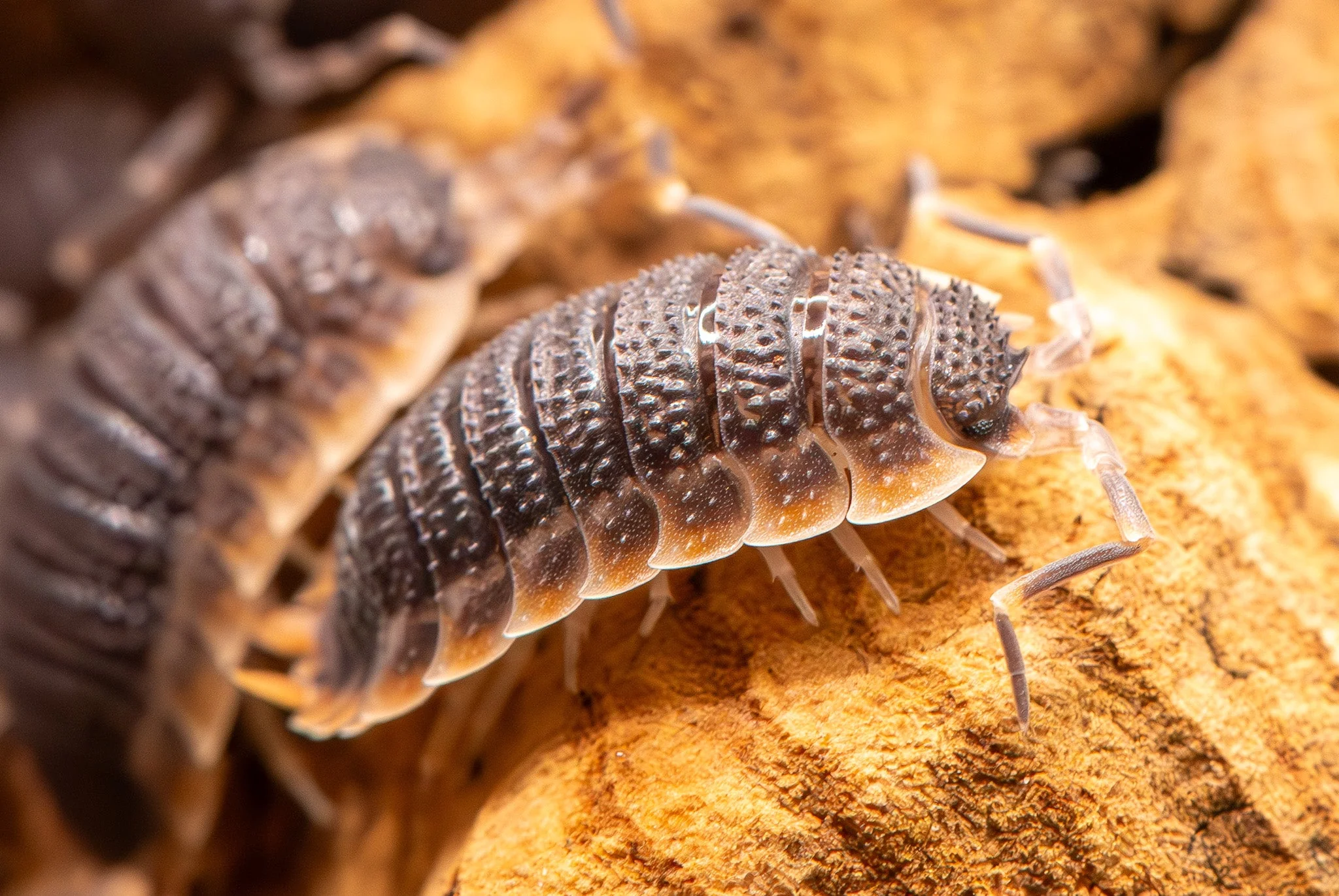
These isopods do far more than provide decoration. They help maintain a cleaner environment by breaking down organic matter inside the enclosure. This natural cleanup activity supports healthier living conditions for plants and other habitat inhabitants.
Helpful contributions include:
- Consuming decaying plant material
- Assisting with waste breakdown
- Supporting nutrient recycling in substrate
- Helping reduce unwanted buildup
- Improving overall habitat balance
Their steady activity encourages a more self-sustaining ecosystem with less maintenance required over time.
Comfortable Habitat Conditions Encourage Growth
Rubber Ducky Isopods thrive best in stable environments filled with moisture, hiding spaces, and nutritious organic materials. A well-designed habitat encourages natural behavior and healthy colony development.
Ideal habitat features include:
- Moist substrate with good airflow
- Leaf litter for shelter and feeding
- Cork bark or stones for hiding spots
- Natural moss for humidity retention
- Soft lighting with shaded areas
Balanced moisture levels are especially important because these isopods enjoy humid surroundings that resemble natural forest floors.
Gentle Feeding Habits Support Healthy Colonies
These colorful isopods enjoy a varied diet made from natural materials commonly found inside bioactive habitats. Nutritious feeding encourages stronger growth, active movement, and successful breeding behavior. Many collectors enjoy raising isopods because they contribute to cleaner terrarium environments and create fascinating natural displays beautifully.
Common food sources include:
- Decaying leaves
- Vegetable scraps
- Natural calcium sources
- Soft organic matter
- Nutrient-rich substrate materials
Providing occasional supplemental foods helps maintain vibrant colors and healthy activity throughout the colony.
Peaceful Nature Makes Them Easy To Enjoy
Rubber Ducky Isopods are calm, non-aggressive creatures that spend much of their time exploring quietly through the enclosure. Watching them move beneath bark and across moss creates a relaxing viewing experience for hobbyists of all ages. Their peaceful behavior allows them to coexist comfortably in carefully managed bioactive habitats. As colonies grow, the habitat becomes increasingly dynamic and visually appealing without becoming overwhelming or difficult to manage.
A Beautiful Addition to Natural Terrariums
Colorful Rubber Ducky Isopods combine beauty, functionality, and gentle behavior in one remarkable species. Their vibrant appearance and valuable cleanup role make them highly appreciated inside bioactive habitats. With proper moisture, natural décor, and nutritious organic materials, these fascinating isopods can flourish while helping create a balanced and visually stunning miniature ecosystem.
