
Add Classic Charm to Doorways with Elegant Decorative Architrave

A decorative architrave is an elegant and timeless way to enhance the aesthetic appeal of any doorway. This traditional architectural feature adds sophistication, character, and a touch of luxury to spaces, whether in a home, office, or commercial setting. It serves as the perfect framing for doors, providing a clean, defined line that sets the door apart from the surrounding walls while maintaining a sense of balance and proportion in the room. The term architrave refers to the decorative moldings that surround a door, window, or other opening. Traditionally made from wood, these moldings can now be crafted from various materials, such as plaster, MDF, and even polyurethane, offering versatility in both design and application. The architrave typically consists of a head the top part, the jambs the sides, and sometimes a sill the bottom. Together, these elements create a cohesive and harmonious look that can suit any architectural style, from classical and ornate to minimalist and contemporary.

In terms of design, the decorative architrave is highly customizable. For a classic look, you might opt for designs with intricate detailing, such as fluted edges, dentil moldings, or even carved floral patterns. These traditional features work particularly well in period homes or spaces aiming to reflect an old-world charm. On the other hand, for modern interiors, simpler, more streamlined architraves with clean lines and subtle curves can create an understated yet sophisticated look. The beauty of an architrave lies in its versatility to complement any style, whether it is the grandeur of a Victorian manor or the minimalism of a contemporary apartment. The installation of a decorative architrave is relatively straightforward, but the impact it has on a room is profound. A well-placed architrave can elevate the appearance of a doorway, making it a focal point that draws the eye and adds depth to the room. By framing the door, it provides a sense of enclosure and warmth, enhancing the overall ambiance of the space.

Additionally, architraves can visually enlarge a room by drawing attention upwards, creating the illusion of height and adding architectural interest to otherwise plain walls. Another significant advantage of decorative architraves is their ability to blend seamlessly with a variety of interior designs. In a rustic home, a more textured, distressed wood architrave may be appropriate to maintain a natural, earthy feel. In contrast, sleek, painted MDF architraves might suit a modern or industrial space, where subtle detailing is more desirable door architrave. Furthermore, choosing the right finish for the architrave is crucial; a high-gloss finish can offer a polished, refined look, while a matte finish may give a more relaxed, organic feel. Overall, adding a decorative architrave to your doorway is an easy and cost-effective way to bring classic charm and style to your home. Whether you are looking to complement a traditional design or enhance a contemporary space, this timeless feature can make a significant difference in the overall atmosphere and appearance of any room.
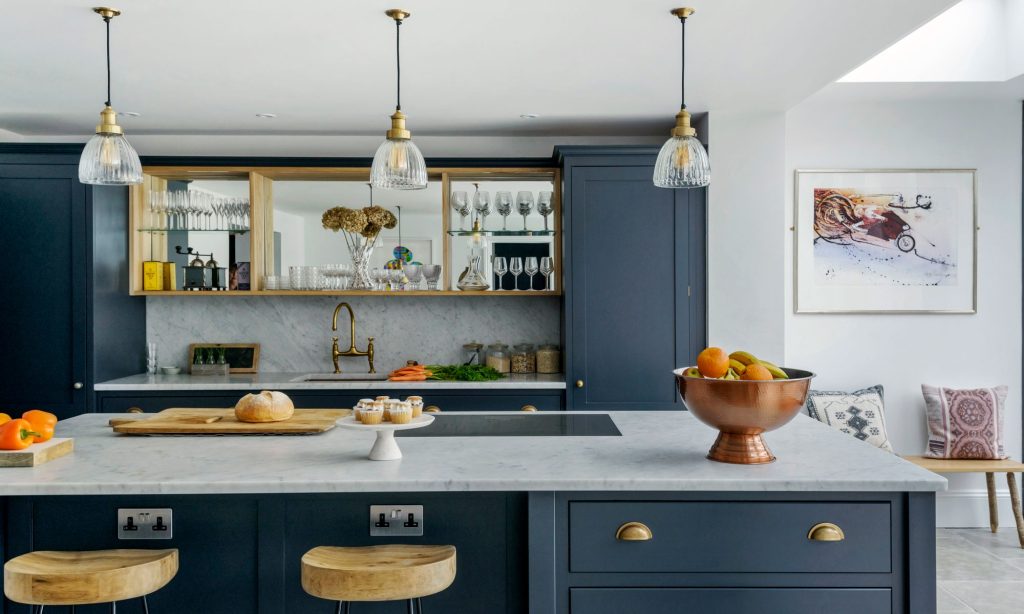
Discover the Versatility of Linoleum – Kitchen Fronts Redefined

Linoleum has long been celebrated for its durability, eco-friendliness, and affordability, but its versatility often goes unnoticed. In the realm of kitchen design, linoleum emerges as a dynamic choice, offering an array of possibilities to redefine kitchen fronts and elevate the aesthetic appeal of this vital space. Gone are the days when linoleum was solely associated with utilitarian flooring; today, its transformative potential extends to cabinetry, countertops, and beyond. One of the most compelling features of linoleum lies in its diverse range of colors, patterns, and textures. Whether you envision a sleek, minimalist kitchen or a vibrant, eclectic space, linoleum can accommodate your design aspirations with ease. From classic marbles and wood grains to bold geometric motifs and abstract designs, the options are virtually limitless. This versatility allows homeowners to infuse their kitchens with personality and style, creating a space that reflects their unique tastes and preferences. Beyond its aesthetic appeal, linoleum boasts exceptional practicality, making it an ideal choice for kitchen fronts. Its non-porous surface is naturally resistant to moisture, stains, and scratches, ensuring longevity and ease of maintenance.

Eco-Conscious Homes

Unlike other materials that may require regular sealing or refinishing luxor kitchen, linoleum maintains its beauty with minimal upkeep, making it a practical and cost-effective solution for busy kitchens. Additionally, its resilience to heat and UV exposure makes it suitable for both indoor and outdoor applications, further expanding its versatility in kitchen design. Moreover, linoleum offers unparalleled sustainability credentials, making it an environmentally conscious choice for eco-conscious homeowners. Composed of natural materials such as linseed oil, cork powder, and wood flour, linoleum is biodegradable and renewable, making it a preferred alternative to synthetic materials derived from fossil fuels. Its production process also generates minimal waste and emissions, aligning with the principles of sustainable living and responsible consumption. By incorporating linoleum into their kitchen fronts, homeowners can reduce their environmental footprint without compromising on style or performance. In addition to its aesthetic and environmental benefits, linoleum excels in terms of versatility in application.

While traditionally used for flooring, linoleum can be seamlessly integrated into various elements of kitchen design, including cabinetry, countertops, backsplashes, and even furniture. Its flexibility allows for custom fabrication and creative expression, enabling designers to craft bespoke solutions that cater to the unique requirements of each space. Whether employed as a statement feature or a subtle accent, linoleum adds depth and character to kitchen fronts, transforming them into focal points of visual interest. Furthermore, linoleum offers exceptional value for money, making it accessible to a wide range of homeowners. Its competitive pricing relative to other materials such as stone, wood, or laminate makes it an attractive option for budget-conscious renovation projects. Moreover, its durability and longevity ensure a high return on investment, as linoleum kitchen fronts retain their beauty and functionality for years to come. By choosing linoleum, homeowners can achieve the look they desire without compromising on quality or affordability, making it a versatile and practical choice for modern kitchens. Its diverse range of colors, patterns, and textures allows for endless design possibilities, while its durability, eco-friendliness, and affordability make it a practical choice for homeowners. Whether used for cabinetry, countertops, or other elements of kitchen design, linoleum offers unparalleled versatility and value, making it a standout option in the realm of kitchen renovation and remodeling.